Put Your Sport in the Picture

Sports Portrait Photographer in Singapore

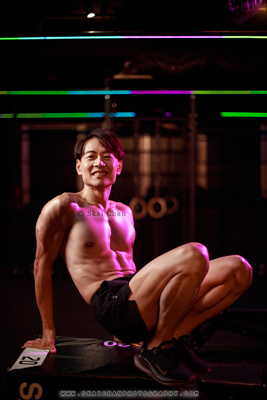
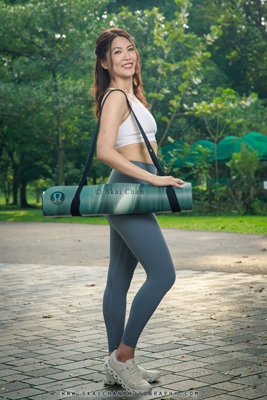
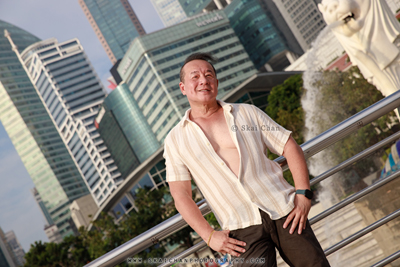
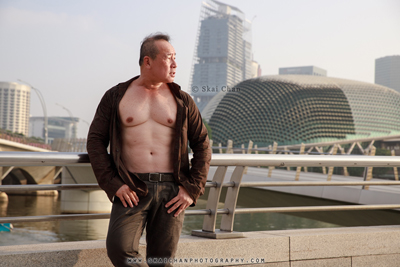
You don't have to be a professional athlete to make your sport part of your portrait. Whether you compete seriously, practise recreationally, exercise for fitness or simply enjoy the activity, your connection with the sport can become part of the photographs.

I'll plan the session around you and your sport, considering the movements, equipment, clothing, location, lighting and photographic approach needed to represent the activity appropriately.

The result can combine posed portraits, sporting details and actual movement to show not only what you look like, but something meaningful about what you do.

Sports Portrait Photography Sessions in Singapore

Sports can form an important part of a person's life without that person necessarily being a professional athlete. You might train competitively, play casually with friends, run to maintain your fitness, practise a martial art, cycle during your free time or take part in an activity for your own personal reasons. If the sport means something to you, it can become part of your portrait.

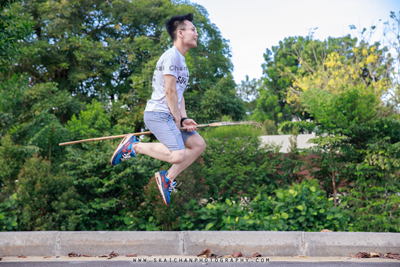
Sports portrait photography brings the activity into the photographs instead of portraying you separately from it. Your sportswear, equipment, movement and sporting environment can all provide visual context. A runner can be photographed on a track or along a familiar running route, a cyclist with a bicycle, a badminton player on court, or a swimmer at the pool.

The photographs don't always have to show intense action. Depending on the sport and your goals, we can combine posed portraits, details of your equipment, preparation and actual movement. Sometimes a relatively simple portrait with the right clothing, equipment and environment already communicates the sport clearly; other concepts benefit from photographing the activity itself.

I've photographed people through activities including jogging, cycling, swimming, badminton, football, table tennis, gymnastics, Muay Thai and longboarding. Their reasons for participating can be very different. What matters to me isn't whether you're an elite athlete, but how we can represent your relationship with the sport accurately and visually.

What We Can Create

  • Sports Portraits:

    Portraits that use your sportswear, equipment, environment and activity to show your connection with a particular sport.

  • Sports in Action:

    Photographs of actual movement, training or sporting techniques, planned around the activity and the moments that communicate it effectively.

  • Posed Athlete Portraits:

    You don't need to be moving in every photograph. Posed portraits with appropriate clothing, equipment and surroundings can communicate your sporting identity clearly.

  • Training & Practice Portraits:

    Photographs built around how you practise your sport, combining environmental portraits with selected moments from your training or routine.

  • Personal Sports Portraits:

    Sports-themed portraits for recreational players and everyday people who want photographs connected to an activity that forms part of their lives.

  • Athlete & Portfolio Portraits:

    Professional portraits for athletes, coaches, instructors and other sports professionals who need photographs for profiles, portfolios or publicity.

Who Sports Portrait Photography Is For

Sports portrait photography can be suitable for:

  • Professional and competitive athletes
  • Amateur and recreational athletes
  • Sports enthusiasts and hobbyists
  • Runners, cyclists and swimmers
  • Martial artists and combat-sports practitioners
  • Players of racquet, ball and team sports
  • Coaches and sports instructors
  • People practising a sport for fitness or personal development
  • People returning to or participating in a sport for rehabilitation or other personal reasons
  • Anyone who wants their sport to form a meaningful part of their portrait

Your Goals for the Photoshoot

  • Show your connection with a sport

    Create portraits that communicate something you genuinely practise or enjoy instead of presenting you without context.

  • Capture yourself in action

    Photograph actual movement, technique or training when action is an important part of showing what your sport involves.

  • Create strong posed sports portraits

    Use your sportswear, equipment, body language and environment to create portraits without requiring every photograph to be an action shot.

  • Document your sporting journey

    Record a stage in your involvement with a sport, whether you're beginning, improving, competing, returning after a break or simply enjoying it.

  • Showcase your skills and achievements

    Include movements, techniques, equipment, medals or other meaningful details where they are relevant to your story.

  • Create an athlete or professional profile

    Produce photographs for portfolios, websites, social media, publicity or other professional uses.

  • Celebrate a sport you enjoy recreationally

    You don't need to compete professionally. Your regular jog, weekend cycling, badminton sessions or other recreational sport can be worth documenting too.

  • Combine sports with fitness portraiture

    If fitness and physical conditioning are also important parts of your story, the session can include photographs that show both your sport and your fitness.

  • Create photographs in a meaningful sporting environment

    A track, court, pool, field, gym or familiar outdoor route can provide important context that a generic backdrop cannot.

  • Preserve something meaningful to you now

    Your abilities, interests and circumstances can change over time. Photographs can document your relationship with a sport at this particular stage of your life.

Sports portrait photography can range from carefully posed portraits to photographs of actual movement. The right balance depends on your sport, ability, location and what you want the photographs to communicate. To refine your ideas before we plan the details, read my guide to defining your photoshoot goals and consider which photographs, purpose and experience matter most to you.

Where We Can Shoot

The right location often depends on the sport itself. Whenever practical, I prefer to photograph sports portraits somewhere that gives the activity useful context - such as a running track, court, swimming pool, field, gym, park or the outdoor environment where you normally practise. Other concepts may work better in a studio or a simpler location where we can concentrate on you, your equipment and the lighting.

Indoors

Explore indoor photography sessions.

  • Photo Studio:

    A controlled environment for posed sports portraits, athlete profiles and concepts where the person, sportswear and equipment should receive most of the visual attention.

  • Sports Halls & Courts:

    Badminton halls, table-tennis facilities, indoor courts and other sporting venues can place you directly within the environment associated with your sport.

  • Gyms & Training Facilities:

    Suitable when your sport involves specialised training equipment or when training forms an important part of the portrait concept.

  • Swimming Pools:

    Useful for swimming portraits and other concepts where the pool environment is an important part of communicating the activity.

  • Other Suitable Indoor Spaces:

    Martial-arts gyms, climbing facilities, dance or movement spaces and other venues can be considered according to the sport and permission to photograph there.

Outdoors

Explore outdoor photography sessions.

  • Running Tracks & Routes:

    Suitable for running and jogging portraits, including both posed photographs and actual movement.

  • Sports Fields & Courts:

    Football fields, basketball courts and other outdoor sporting facilities provide immediate context for the activity.

  • Parks & Open Spaces:

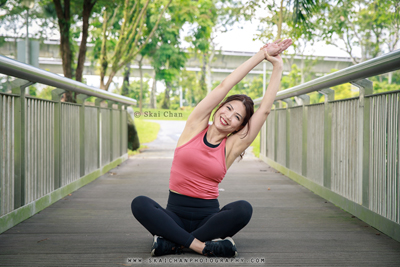
    Useful for jogging, cycling, martial arts, recreational sports and activities that don't require a dedicated sports venue.

  • Urban Environments:

    Streets, architecture and open urban spaces can work for running, cycling, skating, longboarding and other sports where the surrounding environment contributes to the photographs.

  • Beaches:

    Open surroundings can work for selected sports and active portrait concepts where sand, sea or coastal scenery is relevant.

  • Other Suitable Outdoor Spaces:

    Trails, reservoirs, waterfront areas and other locations can be considered according to your sport, safety requirements and the type of photographs you want.

Other Locations

Explore on-location photography sessions.

If there's a particular venue, route or sporting environment that is important to you, we can explore whether it's practical for the photoshoot. Some sports facilities require permission, bookings or photography fees, so it's useful to check the venue's rules before confirming the session.

For more ideas, browse my guide to photoshoot places in Singapore, which includes links to photographs and past albums created at different locations.

Lighting Options for Your Photoshoot

The lighting approach is determined by the package you choose. The more basic option uses natural or available light, while other packages may include off-camera flash.

Skai Chan holding a camera for a lightweight photography setup
Natural or available lightA lighter camera setup that allows greater freedom to move around the location.
Skai Chan beside a softbox used for off-camera flash photography
Off-camera flashA planned lighting setup using a separate light and modifier.
  • Natural or available light:

    Natural-light packages use suitable daylight or existing light at the location and usually allow us to move between positions with less setup time. If the conditions require additional support, I may use an on-camera speedlite, normally bounced from a suitable wall or ceiling.

  • Off-camera flash:

    You can choose a package that includes off-camera flash or arrange it as a paid add-on where offered. The standard setup uses one light; additional lights cost extra.

  • Advance arrangement:

    Off-camera flash must be arranged before the shoot so that I can plan the equipment, timing and location requirements. If conditions prevent the planned setup, I may use an on-camera speedlite instead, bouncing it from a suitable wall or ceiling where possible or using a larger flash modifier when there is no suitable surface.

For a practical comparison, read my guide to flash and natural-light photography.

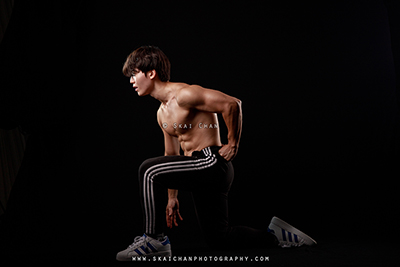
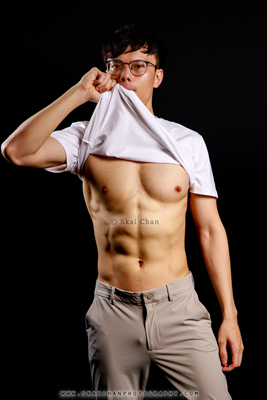
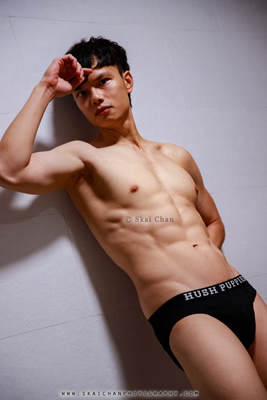
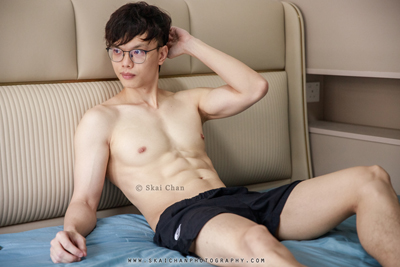
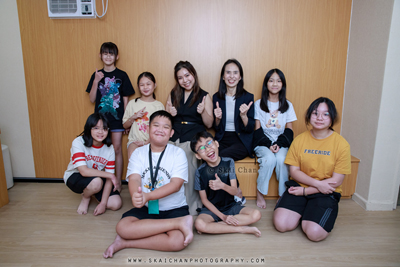
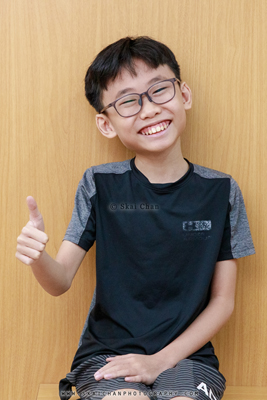
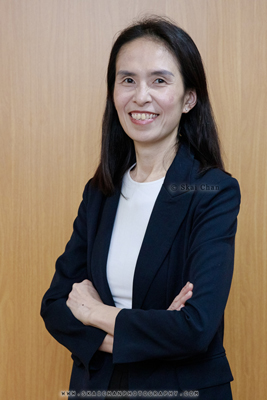
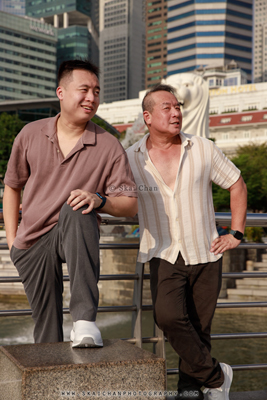
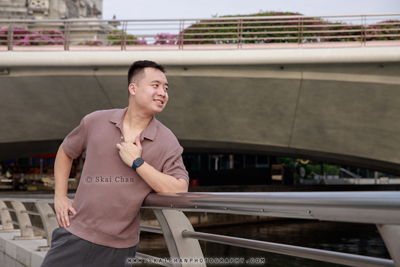
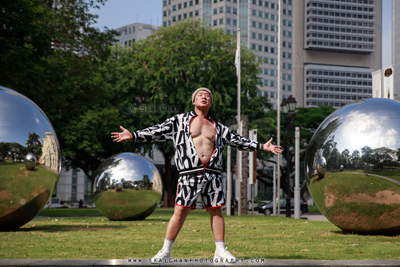
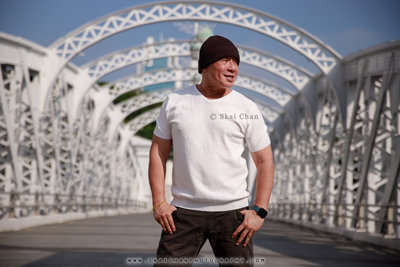
The stunning images you see here feature everyday individuals, not professional models. If they can shine in front of the camera, so can you!

Why Choose Skai for Sports Portrait Photography

Sports portrait photography brings together portraiture and an activity that may involve movement, specialised equipment and challenging locations. My approach is to understand what you're trying to show first, then decide how posing, action, composition and lighting can support it. My portfolio includes sports portraits created around activities such as running, cycling, swimming, badminton, football, table tennis, gymnastics, Muay Thai and longboarding.

  • Experience With Professional Lighting:

    Sports locations don't always provide ideal light. Depending on the concept, I can work with available light or use professional portable flash to control the direction, quality and intensity of the lighting.

  • Posed Portraits & Sporting Action:

    A sports portrait doesn't have to be an action photograph. I can combine posed portraits with selected action sequences so we have different ways of representing both you and the sport.

  • Your Actual Sport Comes First:

    I don't assume that every activity should be photographed in the same way. I'll discuss what you practise, what equipment matters and which movements or details are important before deciding how to approach the photographs.

  • You Don't Have to Be a Professional Athlete:

    Recreational players, beginners and people who participate for fitness or personal reasons are welcome. The purpose is to photograph your connection with the activity, not to judge your sporting ability.

  • Direction Without Misrepresenting the Sport:

    I can guide composition, body position and photographic presentation, while your own knowledge of the sport helps ensure that equipment, movements and techniques are represented appropriately.

  • A Respectful Working Approach:

    I communicate posing and positioning verbally and visually rather than physically moving you. You can read more about my no-touch posing policy.

Want sports portraits built around an activity that matters to you? Discover more about my photography approach and how I work with clients.

Reviews

Clients' Testimonials

Fitness longboard photographer review & recommendation "Nice guy who really takes the time to capture all the pictures you want and experiment with different scenes and settings. Recommend in Singapore " - Lukas Berger

» More Testimonials

Pricing & Packages

Skai the Sports Portrait Photographer

Professional sports portrait photographer in Singapore Hello! I'm Skai, a professional photographer based in Singapore. My interest in sports goes back much further than my photography career.

Growing up, I was lucky to have an elder brother who excelled at sports, and I was heavily influenced by him. Swimming, running, basketball - he seemed to be good at almost everything. He brought home many gold medals and trophies every year. I wasn't quite as successful. The one physical activity I could eventually do better than him was pull-ups, although it wasn't really recognised as a sport.

I found my own sport in volleyball instead.

I stayed with volleyball for many years, but it also taught me some frustrating lessons about physical limitations. No matter how much I trained or how high I could jump, taller players had an advantage that I couldn't simply train away. Jumping higher to compensate affected my timing and required more energy just to achieve what a taller player could do more naturally.

Still, I persisted. I continued playing until many of my teammates gradually became more focused on their careers and we had fewer opportunities to play together. By then, old sporting injuries were also starting to catch up with me. Some of them would return from time to time and eventually even interfere with my photography work.

When I first started learning portrait photography, one of the projects I wanted to create was a series of volleyball portraits. I imagined something quite different from ordinary photographs of people playing a game - carefully composed sports portraits using professional off-camera lighting to give the players and the sport a stronger visual presence.

Unfortunately, arranging such a shoot wasn't easy. Volleyball requires the right venue, willing players, equipment and coordination, and professional lighting adds another layer of logistics. As more photography assignments started coming in, that personal project kept getting pushed aside until eventually the idea disappeared from my plans.

Sports photography found its way back into my work anyway.

Over the years, clients began approaching me with their own sporting interests and ideas. I found myself photographing jogging, cycling, swimming, badminton, football, table tennis, pickleball, gymnastics, Muay Thai, longboarding and other physical activities. Instead of the volleyball portraits I had originally imagined, I was creating sports portraits around the activities that mattered to the people in front of my camera.

That experience also shaped how I think about sports portrait photography today. I don't believe someone has to be an outstanding athlete before their sport is worth photographing. I certainly wasn't one myself. Some people compete seriously, while others run to maintain their fitness, swim as part of rehabilitation, play recreationally or simply enjoy a sport during their free time. Their reasons are different, but the activity can still represent an important part of their lives.

When I photograph a sport I'm less familiar with, I also respect that the person in front of my camera may understand it much better than I do. You know how your equipment should be used, which movements require skill and what another practitioner would immediately recognise as wrong. I bring my knowledge of photography, lighting, composition and portrait direction, while you bring your experience of the sport.

Perhaps I never created that volleyball portrait project I imagined when I first started learning portrait photography, but the original idea behind it remains very much part of how I work today: taking something a person genuinely does and giving it the attention, lighting and photographic treatment needed to turn it into a portrait.

Want to know what shaped the way I work today? My photography journey has taught me far more than cameras and lighting.

Discover My Photography Journey →

Discover My Photography Style →

Discover My Photography Approach →

Understanding Sports Portrait Photography

What Is Sports Portrait Photography?

Sports portrait photography, in the way I use the term, is portrait photography that incorporates a recognisable sport or sporting activity into the photographs. Instead of photographing someone simply because they're physically fit, the sport itself becomes an important part of how the person is portrayed.

That doesn't mean you need to be a professional or competitive athlete. Someone who jogs recreationally to maintain fitness can still be photographed as a runner. A person who cycles at weekends can be portrayed with their bicycle. Someone who swims for exercise, rehabilitation or personal reasons can still have a swimming portrait. What matters is that the activity genuinely forms part of the person's story.

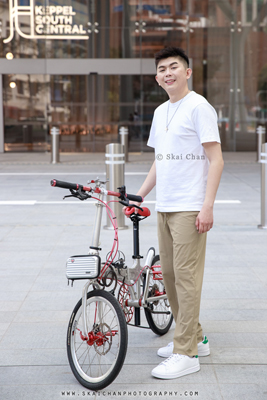
Sports portraits also don't have to show continuous action. A cyclist posing with a bicycle can still be a sports portrait if the bicycle represents their involvement in cycling rather than functioning merely as a visual prop. The same applies to a badminton player holding a racquet, a footballer with a ball or a martial artist photographed in training attire.

Depending on the sport, actual movement may nevertheless be important. Running, gymnastics, martial arts and other activities can benefit from photographs that show technique, motion or physical effort. These photographs introduce additional considerations such as shutter speed, timing, focusing, shooting position and lighting.

I also pay attention to whether the photographs make sense within the activity. The person I'm photographing will usually understand their sport better than I do, especially when specialised techniques or equipment are involved. I therefore prefer to combine their knowledge of the sport with my knowledge of photography instead of forcing a pose simply because it looks dramatic.

The final session can therefore range from a relatively simple portrait with sports equipment to a more involved series combining environmental portraits, details, preparation and action.

Related genres: Fitness Photography, Hobby Photography, Dance Photography, Yoga Photography, Lifestyle Photography and Personal Portrait Photography.

Sports Portrait vs Fitness Photography

Sports portrait photography and fitness photography often overlap, but I don't treat them as exactly the same thing.

Sports portrait photography centres on a recognisable sport or sporting activity. Running, cycling, badminton, football, swimming, table tennis, gymnastics and Muay Thai are examples where the activity itself gives the photographs their context.

Fitness photography is broader in a different direction. It can focus on physique, exercise, gym training, physical conditioning, personal trainers or general fitness without representing any particular sport.

For example, someone performing a general workout in a gym may fit naturally under fitness photography but not sports portrait photography. Someone jogging recreationally to maintain fitness can belong to both because running is the sporting activity while fitness is one of the reasons for doing it.

The categories don't have to be mutually exclusive. If a photoshoot genuinely communicates both a particular sport and the person's fitness or training, I can approach it with both purposes in mind.

Why Sports Portraits Matter

A sport can represent much more than competition. It may be something you've practised for years, an activity you do with friends, part of your fitness routine, something you're learning, a personal challenge or simply an enjoyable part of your life.

Professional sports portrait photography can:

  • document your involvement in a sport
  • show your sporting interests and personality
  • capture skills, movement and physical ability
  • record a stage in your training or sporting journey
  • create athlete portraits for professional or personal use
  • showcase meaningful sports equipment and environments
  • combine action photographs with more carefully composed portraits
  • preserve memories of an activity that may change over time

You don't need medals, competitions or professional credentials before your sporting activity becomes worth photographing. If the sport forms a meaningful part of your life, it can also form a meaningful part of your portrait.

Portrait Photography Guides & Resources

Explore these guides to help you plan your portrait photoshoot, understand different photography approaches and know what to expect throughout the process.

Planning Your Photoshoot

Understanding Photography

Photoshoot Process

Ready to Book Your Sports Session?

Explore the Possibilities

Find Your Photography Session

Browse every portrait, commercial, event and specialist photography service available.

Large QR Code Scan QR to visit this website
0%