Understand how different lighting choices affect your photographs, with real examples and practical advice from Singapore photographer Skai Chan.
Understanding Photography Lighting
Lighting affects the mood of a photograph, the appearance of a face and how much detail we see in the background. Its direction, colour and strength matter just as much as the equipment used to create it.
Both natural light and flash can produce excellent photographs. Neither automatically makes a picture softer, more authentic or more professional. The result depends on how the photographer uses the light and whether it suits the intended photograph.
Before comparing them, it helps to understand four terms: natural light, ambient light, continuous light and flash. These describe different aspects of lighting, so they are not four completely separate categories.
Natural Light
Natural light usually means sunlight in portrait photography. It includes direct sun, sunlight diffused by clouds, light reflected from nearby surfaces and daylight entering through windows.
Sunlight is not always soft or warm. Direct sun can create sharply defined shadows. An overcast sky or a large window can provide softer light, depending on the surroundings and the person's position.
The periods around sunrise and sunset often offer warmer light and a lower sun angle. However, good natural-light portraits can also be made at other times by choosing suitable shade, backgrounds and shooting directions.
Ambient and Available Light
Ambient light is the light already present at a location. It can include sunlight, ceiling lights, lamps, street lights and illuminated signs.
A room lit by a window has natural ambient light. A room lit only by ceiling lamps has artificial ambient light. At night, the existing light may be entirely artificial.
In this article, available light means the existing light I can work with without adding my own photographic lights. Natural-light photography is therefore one form of available-light photography.
Continuous Light
Continuous photographic lights stay on rather than firing in a short burst. Examples include LED panels and other lights used for photography or video.
They let you see the lighting effect before taking the photograph and can also illuminate video. Their usefulness depends on their brightness, distance from the subject and how they are shaped. A small continuous light may struggle against strong daylight.
An existing lamp also emits continuous light, but it is part of the ambient lighting when it is already at the location. Here, "continuous light" refers mainly to photographic lights deliberately added for the shoot. This article focuses on flash compared with natural or available light.
Flash
Flash produces a brief burst of artificial light when a photograph is taken. Common examples include speedlites and larger strobes.
Flash can be the main light illuminating a person, a fill light that brightens shadows, or an accent light that highlights an edge or part of the scene. It can be useful during the day as well as at night.
Adding flash does not necessarily replace the existing light. Many photographs combine flash on the person with sunlight, room lighting or street lighting in the background.
On-Camera vs Off-Camera Flash
On-camera flash is attached to or built into the camera. When aimed directly at the subject, its light comes from close to the camera's viewpoint. It can provide quick fill light and is convenient when moving between locations.
A suitable on-camera flash can also be bounced off a ceiling or wall. This changes the effective direction and size of the light source, although the result depends on the surface's position and colour.
Off-camera flash is positioned separately from the camera. This allows more control over the direction of the light. Softboxes, umbrellas, grids and other modifiers can change how it spreads across the subject and surroundings.
On my website, high-end photography generally refers to sessions planned around controlled off-camera lighting. This is a description of the approach and preparation involved, rather than a guarantee that every flash photograph is better than every natural-light photograph. Professional photographers can use either method.
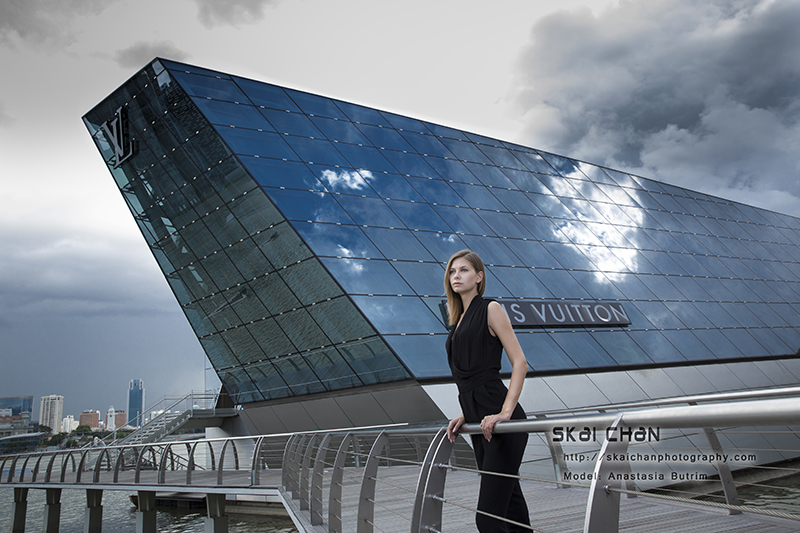
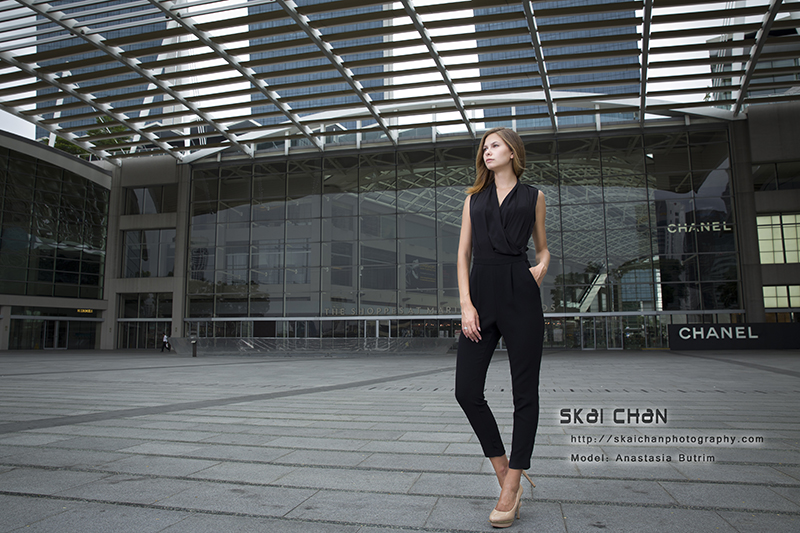
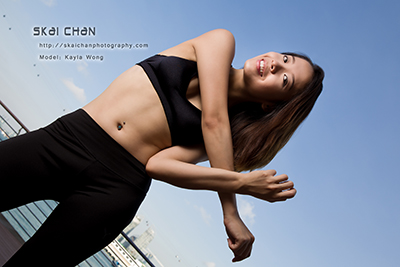
▲Off-camera flash: I balanced the exposure for the surroundings with added light on the model. This kept the building visible while lighting her separately. We had time and space to set up the equipment.
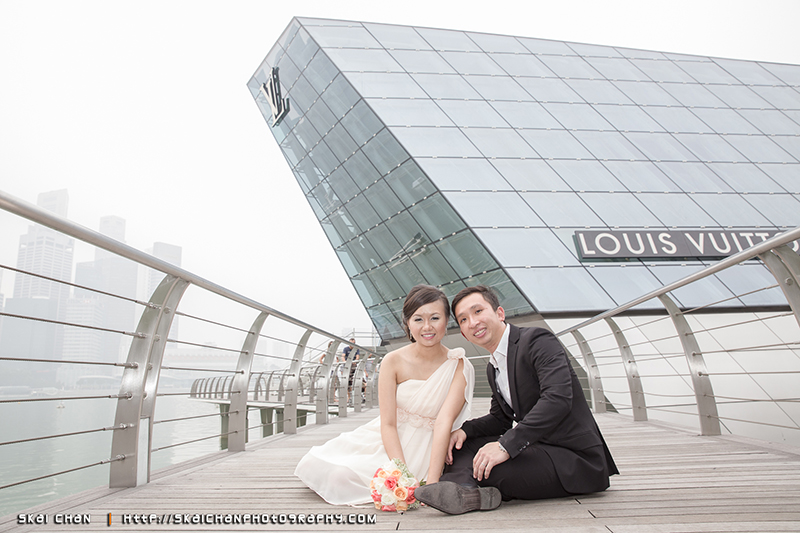
▲On-camera flash: Fill light brightened the models' faces during a shoot that involved moving between locations. It was a practical alternative to setting up a large softbox. This photograph was taken on a hazy day.
Soft Light vs Hard Light
Soft light creates gradual transitions between light and shadow. Hard light creates more sharply defined shadow edges. Both can be useful.
Softness depends mainly on how large the light source appears from the subject's position. A large softbox placed nearby can produce soft light. Move it much farther away and it appears smaller, making the shadows harder.
The same principle applies to natural light. Direct sun behaves like a relatively small source and produces hard shadows. A broad area of bright sky or a large window can behave like a larger source and produce softer shadows.
Brightness, warmth and softness are different qualities. A bright light can be soft, and a dim light can be hard. Soft light can also create strong contrast if little light reaches the shadow side.
Soft light is often useful for gentle portraits, while hard light can create striking shapes and texture. The choice should support the photograph rather than follow a rule that one is always better.
How Flash Changes a Photograph
These demonstrations show how adding and adjusting flash changes the balance of a scene. The important difference is the control over where the light falls, rather than simply making everything brighter.
Lighting a Model and Bike at Night
1. Existing light only.
This mobile-phone photograph shows the location's ambient light. The white overhead light and orange street lamps produced mixed colours, while the backlighting left the subjects poorly illuminated. The image also shows noise. Because this was taken with a phone rather than the camera used for the later photographs, it is a location reference rather than a controlled camera-quality comparison.
2. One main flash.
I reduced the contribution of the existing light through the camera exposure and added a main flash from the right. The flash provided enough light to work at a low ISO. However, the left side remained dark and the model had little separation from the background.
3. Adding a rear accent light.
A second flash behind the model highlighted her hair and outline. This helped separate her from the dark background and suggested the effect of a light source behind her.
4. Restricting the main light.
I fitted a honeycomb grid to the main light to narrow its spread and reduce light spilling onto the surroundings. The light became more selective, but the rear of the bike remained dark.
5. Adding fill light.
A third flash on the left brightened the rear of the bike. Its spread was wider than intended, but it improved the visibility and balance of that part of the scene.
The sample photographs are shown without post-production adjustments. The sequence illustrates how the main light, accent light, grid and fill light each serve a different purpose.
Working with Harsh Noon Sun
1. Sunlight only.
The overhead sun lit parts of the noses and foreheads while leaving much of the faces in shadow. The contrast across the faces was difficult to manage with exposure alone.
2. Increasing the exposure.
Brightening the photograph made the shaded areas more visible, but also made the already bright noses, clothing and background too bright. Increasing exposure affects the whole scene; it does not selectively fill facial shadows.
3. Adding modified flash.
I balanced the daylight exposure with added flash on the models. This brightened their faces without needing to brighten the entire scene. Flash did not remove the sunlight; it changed the balance between the shaded and sunlit areas.
Other options include moving into suitable shade, changing the shooting direction or using a reflector or diffuser. Flash is useful when the location and composition make those alternatives less practical.
Balancing the Subject and Sky
1. Exposing for the models.
With available light alone, an exposure that made the faces visible left the much brighter sky and water overexposed.
2. Exposing for the scenery.
Reducing the exposure retained more detail in the sky and water, but made the models darker. This could suit a silhouette, although that was not the intended result here.
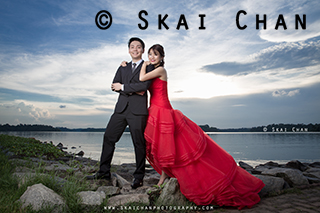
3. Adding flash to the models.
With the exposure set to retain the scenery, flash supplied additional light to the models. This brought their brightness closer to the background's brightness.
Flash does not darken the sky directly. The camera exposure determines how much ambient light is recorded, while the added flash lights the nearby subjects.
With conventional flash used within the camera's normal flash-sync range, shutter speed mainly changes the recorded ambient light, while flash power and distance help control the flash contribution. Aperture and ISO affect both. High-speed sync behaves differently and reduces the effective flash output, so bright-daylight setups still have practical limits.
Flash vs Natural Light: Practical Differences
The most useful question is which approach suits the planned photographs, location and time available.
The comparison below mainly concerns planned off-camera flash setups and natural-light sessions. A small on-camera flash can be much quicker and more portable than a setup involving several strobes and large modifiers. When working with artificial available light indoors or at night, its brightness and colour also need to be considered.
▲Natural light: This portrait uses the daylight available on a cloudy day.
▲Off-camera flash: I controlled the light on the model and used an exposure that made the ambient background less prominent.
Quick Comparison
These are practical tendencies rather than scores. Their importance changes from one photoshoot to another.
Flash vs Natural Light: Practical Trade-Offs
Consideration
Off-Camera Flash
Natural Light
Control and consistency
More control over added light; ambient changes can still matter.
Depends on the sun, clouds, surroundings and subject position.
Movement and spontaneity
Movement may require lighting adjustments.
Usually easier to move, within areas of suitable light.
Creative effects
Lights, gels and modifiers provide additional options.
Uses existing light, reflections, shadows and surroundings.
Setup time and shooting pace
Positioning and testing equipment can take time.
Usually quicker to begin; suitable light may require planning or waiting.
Photograph quality
Can solve lighting problems; quality still depends on execution.
Can produce excellent results when used well.
Variety
More lighting variations, with time needed to change setups.
Easier movement between backgrounds, subject to available light.
Mobility
Depends on the size of the setup and available assistance.
Usually less equipment to carry.
Location permission
Stands and modifiers may face additional restrictions.
Less equipment, but photography restrictions can still apply.
Comfort
Equipment and repeated flashes may affect some people's comfort.
Fewer visible tools, although sun, heat and glare can be uncomfortable.
Direction and background balance
Can light the subject separately from the ambient background.
Relies more on positioning, timing and the scene's brightness range.
Distinctive style
Offers additional ways to shape the scene.
Can also be distinctive through timing, composition and use of light.
Motion and image noise
A short flash can freeze movement; added light may allow lower ISO.
Sufficient light allows fast shutter speeds and low ISO too.
Cost and resources
May require more equipment, preparation and assistance.
Usually fewer lighting resources; fees still depend on the session.
Detailed Differences
Control and Consistency
Flash lets me choose the position and power of the added light. In a stable setup, that can help maintain a consistent appearance across several photographs.
Outdoors, flash does not stop clouds moving or the sun changing position. If the ambient light contributes significantly, I still need to adjust the exposure or lighting balance.
Natural light can remain steady in sheltered conditions, but moving between direct sun and shade can change both the exposure and appearance of the light.
Movement and Spontaneity
A carefully positioned off-camera light works best within an intended area. If the person moves away, the light's direction and brightness may change, requiring an adjustment.
Natural light often makes it easier to walk, interact and try different poses without moving equipment. However, movement is still limited by where the light works well. Turning away from a window or stepping into direct sun can change the result.
Neither method determines a person's creativity. The main difference is how easily the lighting follows their movement.
Creative Effects
Flash provides additional options for placing highlights, controlling shadows and lighting selected parts of a scene. Coloured gels, grids and multiple lights can help create effects that the location's existing light does not provide.
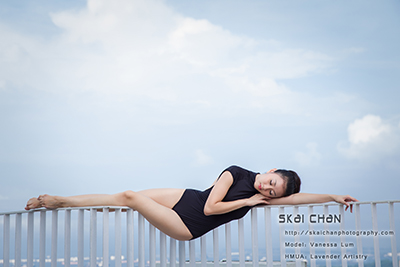
Natural light also offers creative possibilities, including silhouettes, reflections, patterns of sunlight and backlit hair. A distinctive photograph can come from either approach.
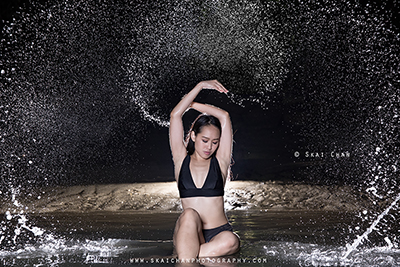
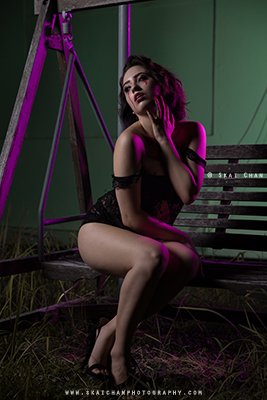
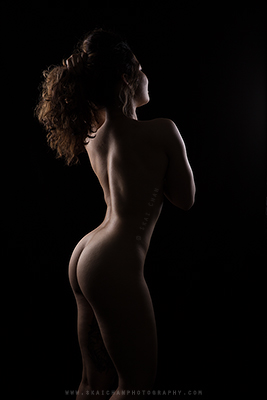
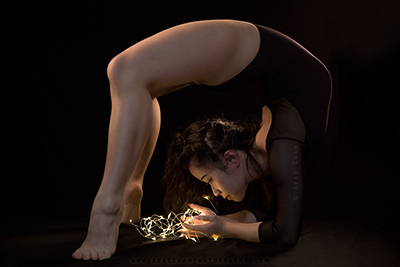
Controlled lighting made the model and water effect visible against the night scene. Different lighting colours helped create the intended Halloween mood. Selective directional lighting outlined the body while leaving other areas in shadow.
Setup Time and Session Duration
A multi-light setup can involve assembling equipment, positioning modifiers and testing each light. Major changes in composition may require further adjustments.
Natural-light sessions usually need less equipment setup, but finding a suitable position or waiting for the desired sunlight also takes time. A simple flash setup can be quick, while a carefully planned natural-light photograph can take considerable preparation.
The studio and lighting preparation for this session took over an hour, including testing individual lights. Without lighting equipment to reposition, shooting could progress faster. We still needed suitable daylight.
Quantity of Photographs
Within a fixed session, time spent adjusting lighting may leave less time for different poses or backgrounds. A demanding flash setup may also need time to recharge between photographs.
A natural-light session can allow a faster pace when the light is suitable. However, taking more frames does not guarantee more successful photographs. Delivered image numbers also depend on the session plan, selection and editing.
Photograph Quality
Flash does not automatically produce a higher-quality or more professional photograph. Poorly placed flash can create unwanted shadows, distracting highlights or an awkward balance with the background.
Well-used natural light can produce detailed, flattering photographs suitable for professional work. Flash becomes valuable when it solves a specific problem or creates a desired effect.
Quality depends on lighting decisions, focus, exposure, composition, expression and editing. Softness comes from the apparent size of the light source, rather than whether it is natural or artificial.
Variety of Photographs
Natural light usually makes it easier to explore several locations without packing and rebuilding a lighting setup.
Flash can create several looks within one location by changing the direction, balance or colour of the light. The trade-off is the time needed to make those changes.
Mobility
Large strobes, stands, batteries and softboxes add weight and bulk. An assistant can help move and manage them, but long walks and frequent location changes remain more demanding.
Natural-light photography usually requires less equipment. This is useful for hiking, walking sessions and locations with difficult access. A compact speedlite setup falls somewhere between the two.
Location Permission
Some venues restrict lighting stands, large modifiers or commercial photography. Equipment can occupy space and affect other visitors, so the intended setup should be checked with the venue beforehand.
Using natural light reduces the equipment involved, but does not automatically make a photoshoot permitted. Photography restrictions can apply regardless of the lighting method.
Comfort
Some people feel self-conscious around large lights or when a setup attracts attention. Others appreciate the clear direction and structure of a planned session.
Natural-light shoots may feel more familiar, but bright sun, glare and Singapore's heat can also affect comfort. I consider the person's preferences, the pace of the session and the conditions at the location.
Shooting Angle and Light Direction
Off-camera flash lets me place light where it is needed while keeping a chosen background or camera angle. This is useful when sunlight comes from behind the person or leaves their face in shadow.
With natural light, I can change the person's position, turn their face, use reflected light or choose another time. Backlighting can produce a silhouette, but it can also produce a visible face when the available fill light and exposure allow it.
Background Detail
When the background is much brighter than the person, one exposure may struggle to show both as intended. Flash can bring the person's brightness closer to the background's, allowing more deliberate balance.
Natural light can also retain background detail when the brightness difference is manageable. A bright or white background may be a deliberate choice rather than a mistake.
Editing can recover some recorded detail, especially from a RAW file. It cannot reliably restore detail that was completely lost through overexposure, and heavily brightening deep shadows may reveal noise.
Distinctive Style
Flash offers extra ways to shape a scene, but equipment alone does not make a photograph unique. Natural-light photographs can be equally distinctive through expression, timing, composition and the use of surroundings.
A recognisable style comes from the photographer's decisions across the whole image.
Sharpness, Motion and Image Noise
A sufficiently short flash burst can freeze movement when flash supplies most of the light recorded on the moving subject. A slower flash duration, or a significant ambient contribution during a long exposure, can still produce blur.
In dim conditions, added flash may allow a lower ISO and reduce visible noise. This is a potential benefit rather than an automatic result.
Natural light can produce equally sharp, clean photographs when there is enough light for suitable camera settings. Focus, subject movement and camera stability matter with either method.
Cost and Resources
Flash setups may require more equipment, transport, preparation and assistance. These resources can affect the cost of a session.
Sunlight has no equipment purchase cost, but professional natural-light photography still involves skill, planning, travel and editing. The quoted fee depends on the scope of the work, rather than the lighting method alone.
Real-World Photography Examples
The following photographs show how lighting choices work in actual sessions. Except for the boudoir examples from the same hotel session, these photographs involve different people, locations or conditions. They illustrate practical possibilities rather than provide controlled before-and-after tests.
Different poses, backgrounds, camera settings and editing also affect the final appearance.
Bikini and Beach Photography
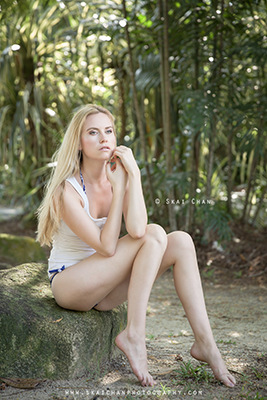
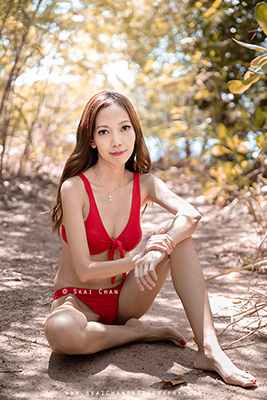
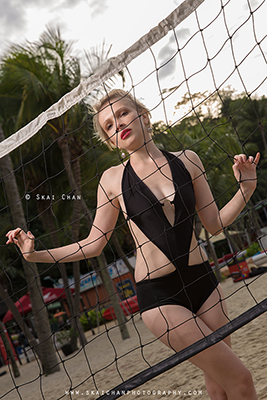
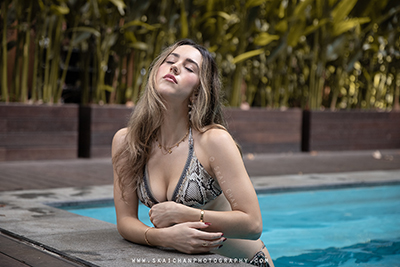
At the beach, the person, sky, water and sand can have very different brightness levels. The direction of the sun and the amount of cloud cover strongly affect the options.
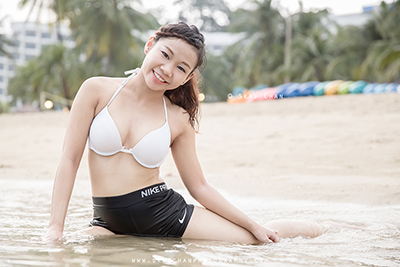
▲Flash under harsh sun: Added light and a controlled daylight exposure reduced the prominence of facial shadows. The sunlight remained part of the scene, including the bright areas of the background. ▲Natural light under harsh sun: The sunlight produced uneven brightness across the model, while the brighter background competed for attention. Basic editing could adjust the result but could not fully change the original light direction. ▲Flash for a chosen mood: I added lighting to create a more dramatic appearance rather than simply brighten the scene. ▲Natural light on a cloudy day: The broad daylight already provided a gentle lighting effect. The model and background worked well together without added flash.
These examples show why I consider the actual conditions rather than assume a beach session needs one particular method. Harsh sun may call for added light or a different position. On a cloudy day, the existing light may already suit the photograph.
Boudoir Photography
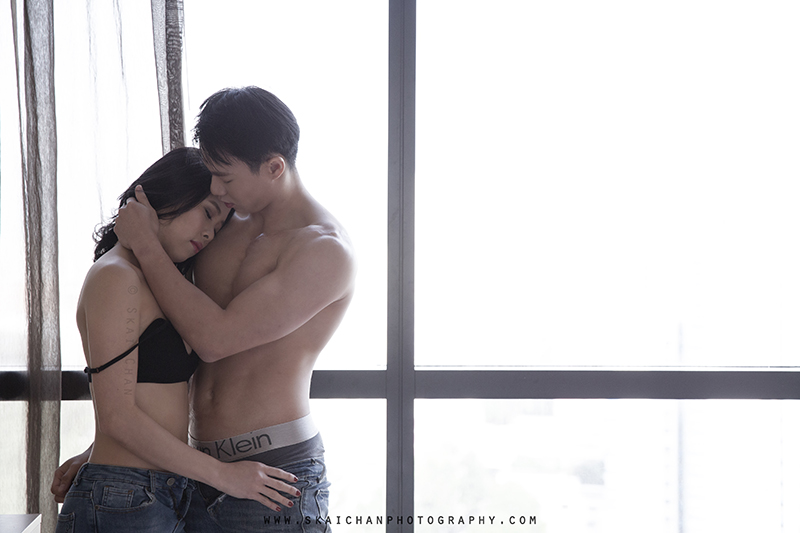
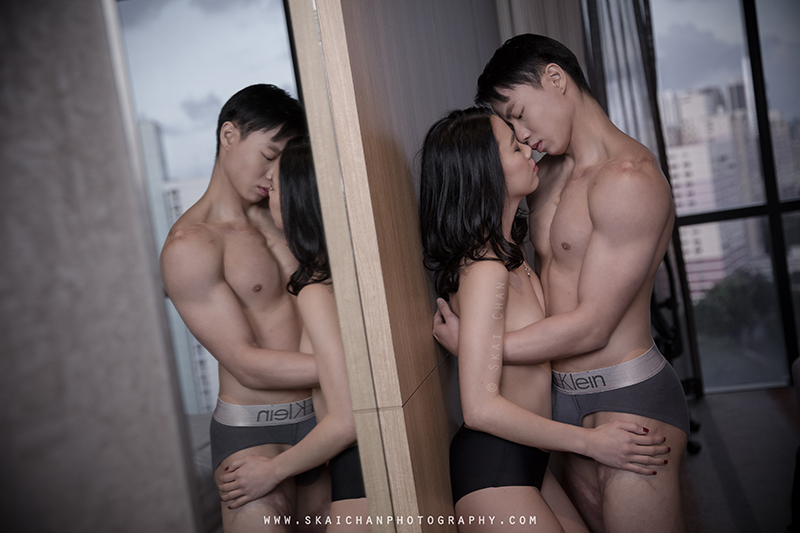
Window light can suit an intimate boudoir portrait, but the view outside may be much brighter than the people inside. The following photographs show two approaches during the same hotel couple session. They are different photographs rather than identical compositions with flash switched on and off.
▲Natural light: The window background appears very bright, while the couple receives less light. This creates a bright-background, dreamy appearance with less visible background detail. ▲Off-camera flash: Added angled light and a different exposure balance made the couple more prominent while retaining more of the surroundings. The highlights and shadows gave their bodies a stronger sense of shape.
The decision here concerns both mood and the room. Window light may work beautifully from one direction but less well from another. Added lighting allows me to choose a composition for the interior and then shape the light on the people.
For boudoir photographs, shadows can be just as important as highlights. I do not necessarily want to illuminate every part of the body equally.
Corporate Photography
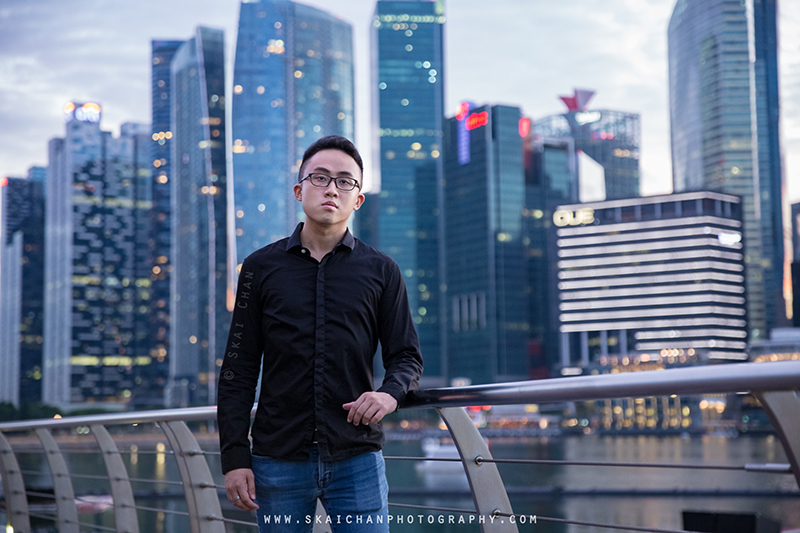
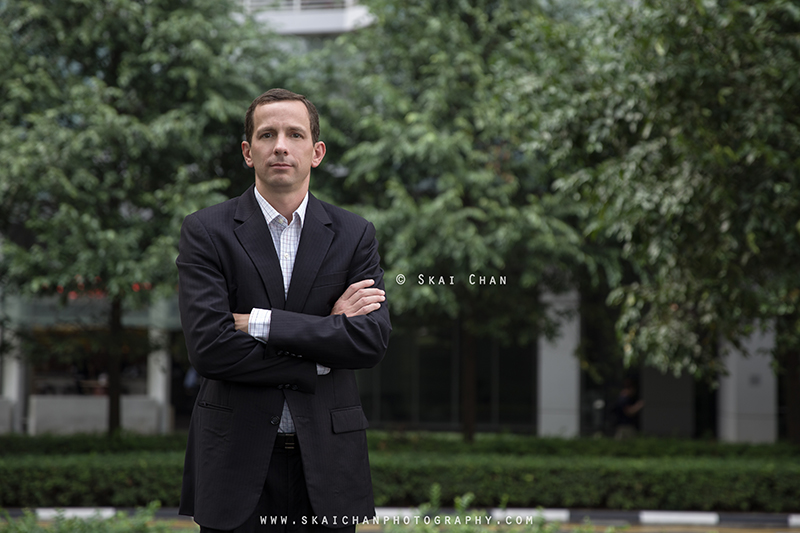
A corporate portrait can look professional with either natural light or flash. The practical challenge is often keeping a requested background while lighting the face appropriately.
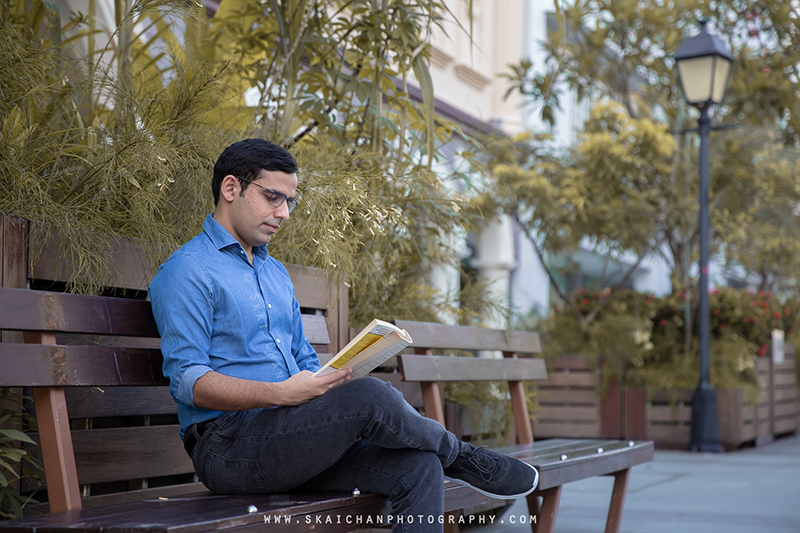
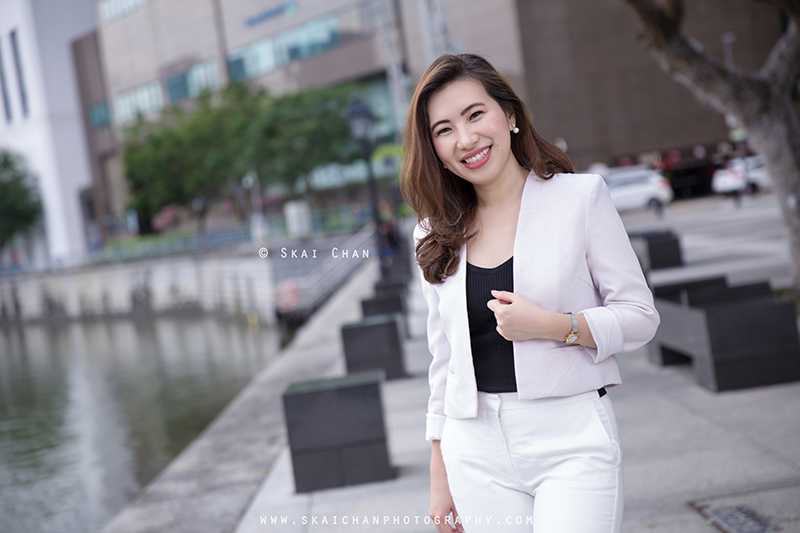
▲Natural light working well: Buildings blocked the direct sun, while daylight reached the subject from useful directions. The existing light supported the calm appearance of the portrait. ▲Flash as the main light: A 120cm softbox gave me control over the main light's position and its balance with the available daylight. ▲A background-led natural-light portrait: The chosen background was important, but the sunlight did not reach the face from the ideal direction. Basic editing improved the exposure without replacing the original lighting pattern. ▲Flash as fill light: A 120cm softbox supplied additional light against the strong afternoon sunlight, giving me more control over the face.
For a busy professional, suitable natural light can make the session efficient. When a specific background, composition or consistent lighting style matters more, a planned flash setup may be worth the additional preparation.
Couple Photography
Couple sessions often involve walking, interaction and changing expressions. They may also include photographs where the scenery is a major part of the intended result.
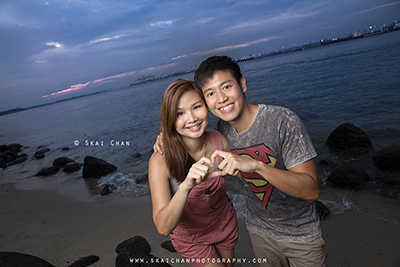
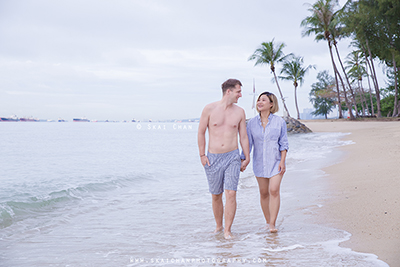
▲Flash: Added light illuminated the couple while the ambient exposure retained the colour and atmosphere of the sunset behind them. ▲Natural light: Working without an off-camera lighting setup made it easier to move between suitable positions and keep the session flowing.
A couple may want both spontaneous interaction and a carefully lit sunset portrait. Planning for those priorities helps me decide whether to use available light throughout or allow time for an added-light setup.
Fitness Photography
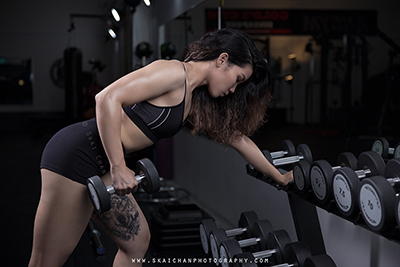
▲ Gym fitness photography using professional off-camera lighting
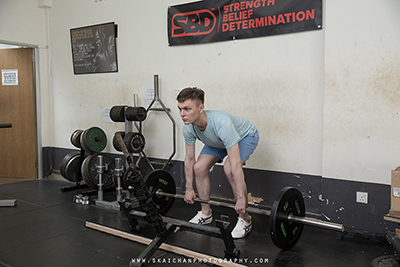
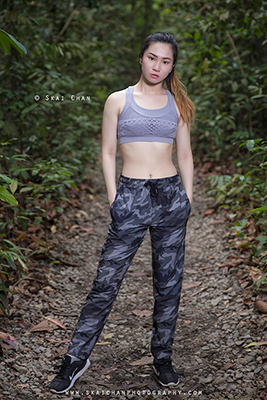
▲ Gym fitness photography using ambient and window light ▲ Outdoor fitness photography using professional off-camera lighting when the available light was harsh and came from an unsuitable direction
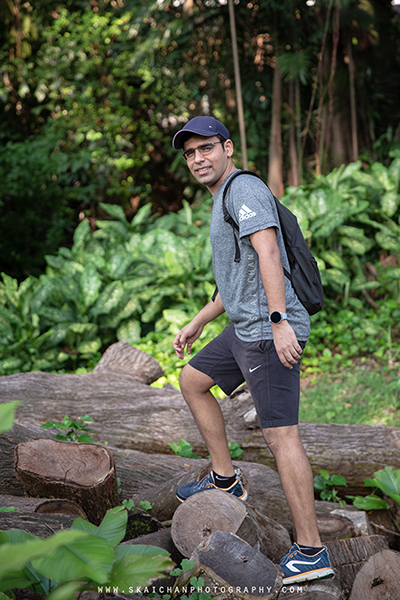
▲ Outdoor fitness photography using soft natural light ▲ Outdoor fitness photography using off-camera flash
▲ Outdoor fitness photography using natural light
Natural and Ambient-Light Fitness Photography
Natural or existing ambient light can be ideal for lifestyle fitness portraits, exercise and action, outdoor environmental photographs and sessions that require frequent movement around a location. It can create a softer, more natural appearance and usually needs less equipment and setup time.
Its main limitation is control rather than image quality. The direction, colour and intensity of available light may change or may not flatter both the physique and face. Mixed lighting in gyms, harsh midday sun and dark interiors can also restrict the camera angles and overall look. Careful timing, positioning and location choice therefore matter.
Professional Off-Camera Lighting
Off-camera lighting is especially useful for physique definition, dramatic portraits, controlled commercial imagery and dim or difficult environments. It gives me more control over highlights and shadows, helps separate you from the background and can create greater depth and consistency across a set of photographs.
The trade-off is additional setup and repositioning time. Some gyms and venues also restrict lighting stands or other equipment, so permission, space and logistics must be considered. Neither method is automatically better: the right choice depends on the location, desired style, session pace and what you want the photographs to communicate. We may also combine available light and flash within the same session where practical.
My Lighting Approach
What Experience Has Taught Me
Early in my professional portrait photography journey, I relied heavily on controlled off-camera lighting. Learning to build a lighting setup helped me understand direction, shadows and the relationship between the subject and background.
However, carrying bulky equipment for sessions that could have worked with a simpler approach took a physical toll, and I injured myself from the strain. I also encountered situations where people did not want the lights used, or where the available time did not suit a complex setup.
Commercial projects taught me another lesson: a company may have the budget for a carefully planned session, while the person being photographed has limited time or energy.
These experiences changed my approach. I still value the control of flash, but I choose the method around the people, conditions and intended photographs.
Lighting Faces with Purpose
For most portraits, I want the face to receive light that suits the person and the intended mood. That may mean filling deep shadows, creating gentle shape or deliberately keeping part of the face darker.
Off-camera flash helps when the existing light does not provide the direction I need. When natural light already works well, adding equipment may offer little benefit.
My aim is appropriate lighting rather than maximum brightness. A dramatic portrait, a friendly corporate headshot and an intimate boudoir photograph may need different treatment.
When I Prefer Natural Light
I often prefer natural light when the location already provides suitable illumination and the session benefits from movement, speed or a smaller setup.
This can suit walking couple sessions, casual portraits and dating-profile photographs where an easy pace helps people relax.
The approachable appearance comes from expression, styling, setting and lighting decisions together. Natural light can also create formal, dramatic or commercial photographs.
When I Prefer Flash
I prefer flash when I need to light a face independently of a bright background, work in a dark location or place light from a direction the surroundings do not provide.
It is also useful for a planned series of portraits requiring consistent lighting, or a creative image involving selective highlights, coloured light or strongly defined shape.
Sometimes the flash is subtle fill that viewers barely notice. At other times, the lighting is deliberately dramatic. Using flash does not require every photograph to have an obvious "flash look".
Practical Limitations
Controlled lighting requires suitable equipment, space and time. Large modifiers are more difficult to manage outdoors, especially in wind. Batteries, flash output, recycling time and the distance between the light and subject also affect what is possible.
Strong sunlight may exceed what a small flash can usefully balance, particularly when lighting a large area or working from a distance. A planned setup still needs to match the actual conditions.
An assistant can help manage and move the equipment, but cannot remove every limitation. Venue restrictions, access and the subject's schedule may make a simpler approach more suitable.
I explain these trade-offs before the session so clients understand how the chosen approach affects time, movement and the range of photographs we can attempt.
Planning the Lighting Before the Shoot
A session prepared for flash can usually switch to available light more easily than a session prepared only for available light can switch to a full off-camera setup.
If I have brought the appropriate lighting equipment, I can put it aside when natural light works well or when setting it up becomes impractical.
For a session planned specifically around natural light, I may not bring the strobes, modifiers or assistance needed for a more involved setup. If we encounter a dark interior, strong backlighting or another difficult situation, adding that setup on the spot may not be possible.
This is why I discuss the desired photographs, location, timing and lighting approach in advance. I also clarify what is included in the agreed session so expectations remain realistic.
Combining Flash and Available Light
Flash and available light often work together in the same photograph. I may preserve the sunset in the background, retain the glow of room lamps or use daylight as part of the main lighting while flash fills selected shadows.
When different sources have different colours, I consider their balance carefully. Camera white balance affects the overall image, while gels on flash can help bring its colour closer to the surrounding light when needed.
The final decision is about how the sources work together and whether the result suits the intended mood.
Choosing the Appropriate Light
Choose the lighting approach around the photographs you want and the conditions in which they will be made. Natural light and flash can both produce professional results, and either can look gentle or dramatic when used appropriately.
Consider natural or available light when the existing light suits the subject, mobility matters and you want to move efficiently between locations.
Consider planned off-camera flash when a specific background, controlled light direction, dark location or deliberate lighting effect is central to the photograph.
Consider a combined approach when you want to retain the atmosphere of the location while adding light where the person needs it.
Before booking, share the look you want, any example photographs, the proposed location and your available time. Let me know whether frequent movement, privacy or a particular background is important.
I can then advise on an approach that matches your priorities and explain the practical trade-offs. The aim is to create photographs that suit you, using lighting that supports the result.

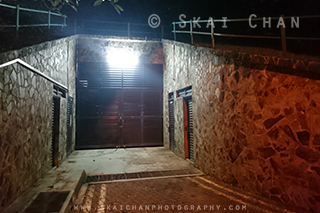 1. Existing light only.
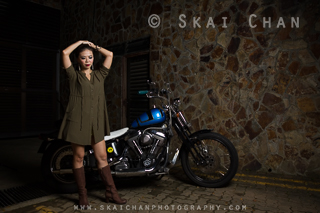 2. One main flash.
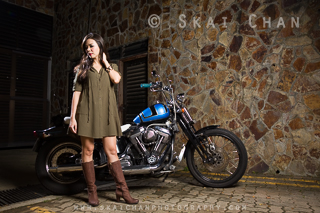 3. Adding a rear accent light.
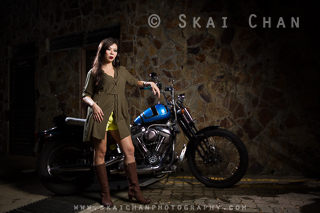 4. Restricting the main light.
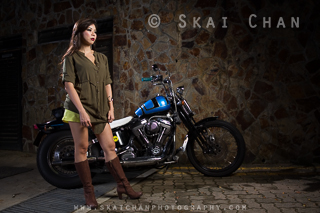 5. Adding fill light.
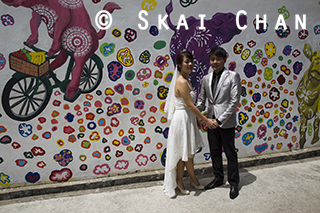 1. Sunlight only.
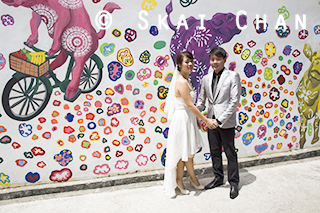 2. Increasing the exposure.
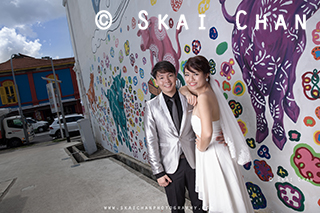 3. Adding modified flash.
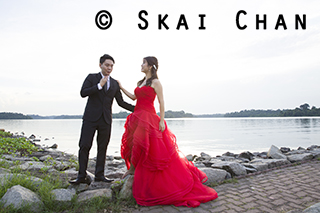 1. Exposing for the models.
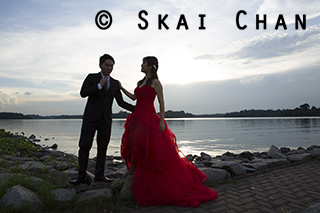 2. Exposing for the scenery.
 3. Adding flash to the models.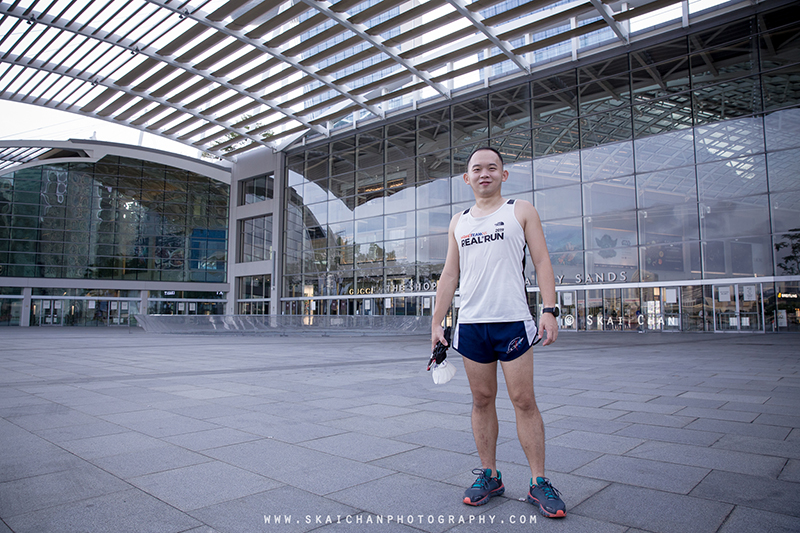
 Scan QR to visit this website