Understand what you want your photographs to achieve before deciding on the concept, style and level of production.
Introduction
Before deciding where to shoot, what to wear or how you should pose, there's a more important question:
What do you actually want from your photoshoot?
Different people can book the same type of photography session for completely different reasons. One person may simply want to look as flattering as possible. Another may want something natural and authentic. Someone else may want photographs that are creative, dramatic, professional, meaningful or artistic.
Your goals affect almost every decision we make afterwards - including the concept, location, outfits, lighting, styling, posing, photography approach and post-production.
You also don't have to choose only one goal. Your ideal photographs may be professional yet natural, creative yet flattering, or sensual yet classy. This guide will help you think about what matters most to you so that we can plan your photoshoot accordingly.
Understand Your Goals Before Planning Your Photoshoot
When someone tells me that they want "nice photos", it can mean many different things.
What looks good to one person may not be what another person wants. Some people love dramatic lighting and carefully constructed images. Others prefer photographs that look effortless and spontaneous. Some want to celebrate how they look, while others care more about documenting their personality, relationship, profession, hobby or a particular stage of life.
This is why I try to understand more about you before deciding how the photoshoot should be approached.
Think about the photographs you would be happiest receiving at the end. What do you want to see? More importantly, what do you want those photographs to do for you?
Do You Want to Look Your Best?
For many clients, one of the most important goals is simple: they want to look good in their photographs.
Creating flattering portraits involves much more than pointing a camera at someone. Your outfit, hair, makeup, pose, expression, camera angle, lens choice and lighting can all affect how you appear.
Lighting is particularly important. Different directions, qualities and intensities of light can emphasise or soften facial features, skin texture and body shape. I generally favour soft, flattering light when the priority is to help someone look their best, although the exact lighting depends on the concept.
Styling also matters. An outfit may look beautiful by itself but may not necessarily flatter you or work with the intended background and concept. This is why I prefer to see outfit options beforehand whenever possible.
If required, professional hair and makeup can further refine the overall appearance.
The goal isn't necessarily to make you look like a different person. It's to understand your features, work with them and photograph you in a way that brings out your best.
Do You Want Professional-Looking Photographs?
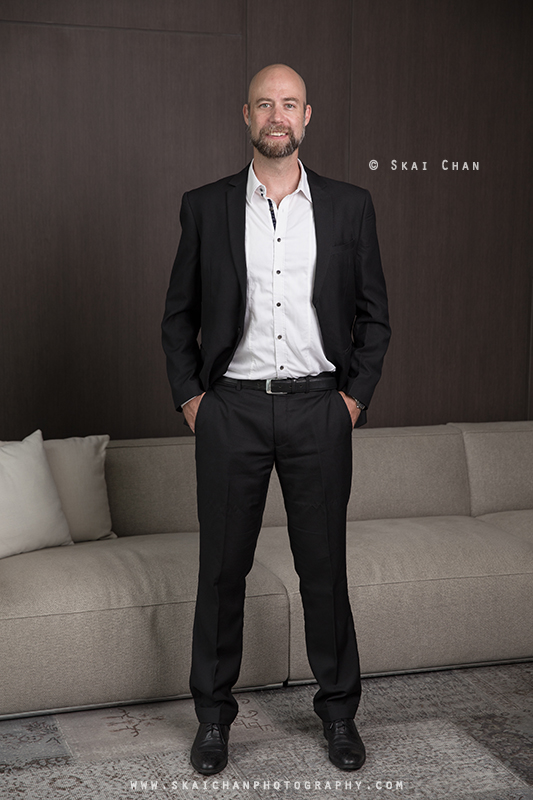
Professional-looking photography doesn't have to mean formal suits, corporate backgrounds or stiff poses.
A photograph can look casual, relaxed and natural while still being professionally produced.
The difference comes from how the entire process is handled: planning, location, lighting, composition, timing, posing or direction, technical execution and post-production.
Even a seemingly simple outdoor portrait may involve decisions about where to position you, which direction you should face, how the background works with your outfit, where the light is coming from and what moment to capture.
For more demanding concepts, additional lighting, equipment, preparation and post-production may be necessary.
I personally oversee the photography process from pre-production to the shoot and post-production so that potential problems can be considered throughout the workflow.
So if you tell me that you want something "casual", that doesn't mean the result has to look amateurish. We can keep the photographs relaxed while still giving them professional attention.
Do You Want Creative & Eye-Catching Photographs?
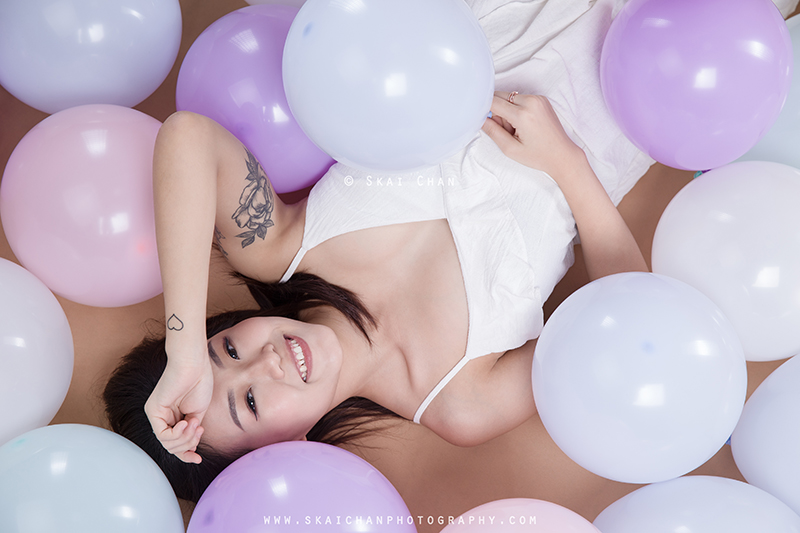
Some clients don't want photographs that simply document what they look like. They want something more unusual - photographs that attract attention and feel different from everyday portraits.
Creative photography can involve the concept, location, styling, poses, props, composition, lighting or a combination of these elements.
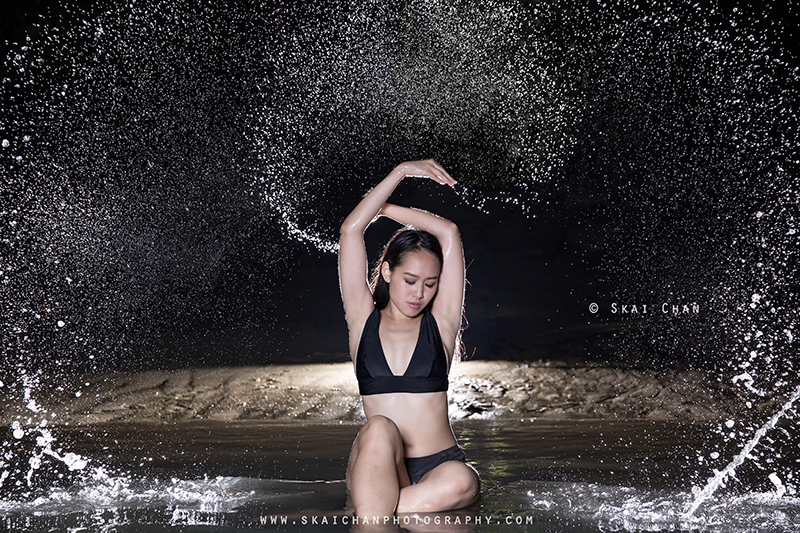
Lighting gives me particularly strong creative control. My professional lighting equipment allows me to shape the light rather than always depending on whatever light happens to be available.
For example, I can sometimes reduce the prominence of the surrounding environment while lighting the subject more strongly, helping to direct the viewer's attention towards the person. Different lighting approaches can also create very different moods from the same location.
However, creative doesn't automatically mean complicated.
Sometimes a simple idea executed well can be more effective than adding many props, colours or effects. The concept should still suit you and the purpose of the photographs.
If you want something unusual, tell me. I enjoy exploring ideas and finding ways to make a photoshoot more distinctive rather than automatically repeating the same formula for everyone.
Do You Want Personalised & Meaningful Photographs?
A beautiful photograph can be even more valuable when it actually means something to you.
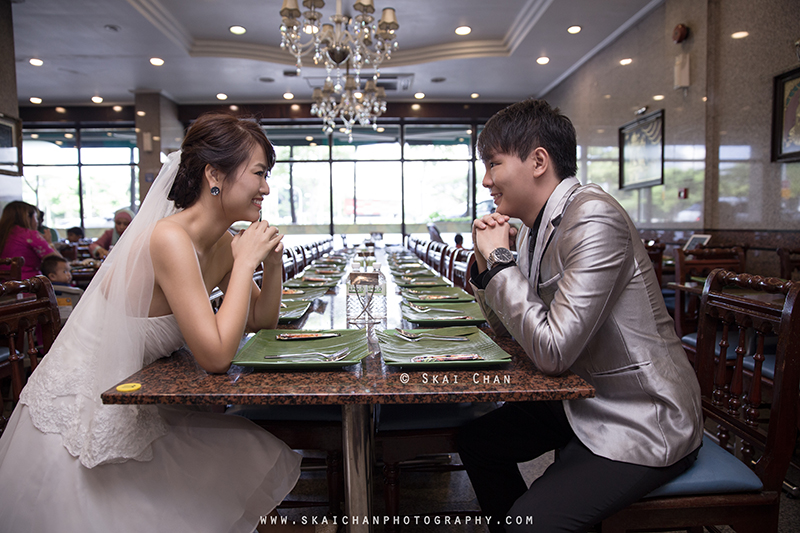
This is the idea behind my bespoke photography approach. Instead of starting with a fixed template, I try to understand your story and use relevant elements to personalise the photoshoot.
These elements could include:
A meaningful location:
Somewhere connected to your relationship, childhood, career, hobby or an important memory.
Your interests:
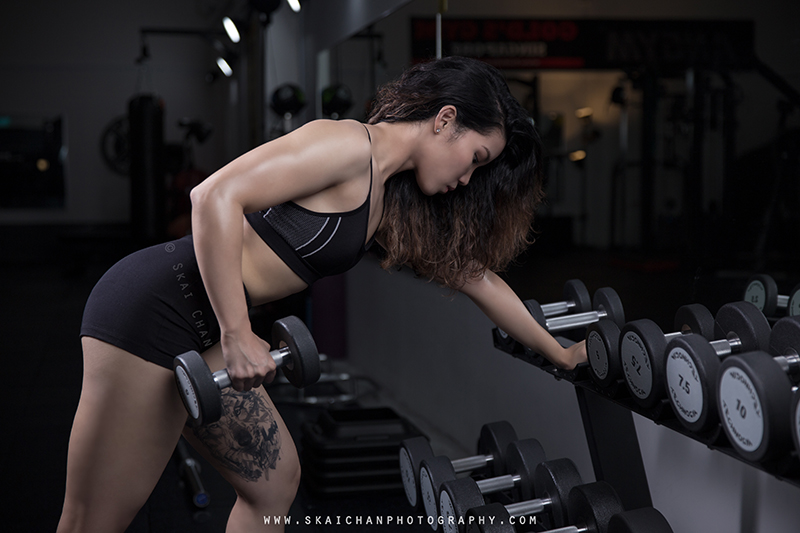
Sports, music, dance, yoga, art, gaming or almost anything else that genuinely forms part of your life.
Personal belongings:
An instrument, book, piece of jewellery, sporting equipment, keepsake or another meaningful object.
Your personality:
The photographs can be quiet, playful, unconventional, romantic, energetic or something else that feels like you.
Your story:
Knowing why you're doing the photoshoot can sometimes inspire ideas that wouldn't be obvious from simply looking at you.
Personalisation doesn't mean every photograph needs an elaborate story or prop. Sometimes the most meaningful decision is simply choosing the right environment and photographing you in a way that feels authentic.
Do You Want Natural-Looking Photographs?
Many clients tell me that they want to look "natural".
But natural-looking photography can refer to several different things.
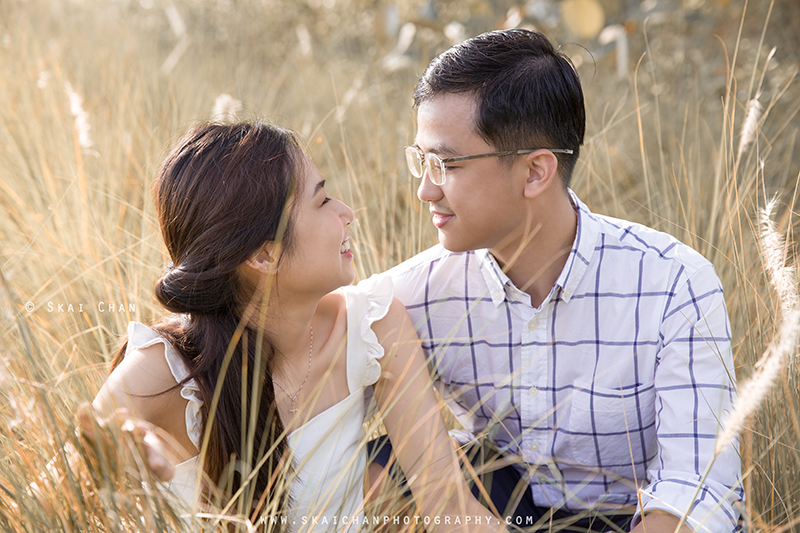
You may want natural expressions rather than an obvious camera smile. You may prefer relaxed body language instead of formal posing. You may want the photographs to resemble how you normally look, without excessive retouching. Or you may simply want the overall image to feel effortless.
I try to create a comfortable environment, particularly for people who have little or no modelling experience. Instead of expecting you to arrive knowing how to pose, I can guide you verbally and allow time for you to become comfortable with the camera.
Natural-looking photographs also don't necessarily mean that no professional technique was used.
A photograph can involve careful composition, direction, professional equipment, lighting and editing while still looking natural to the viewer. In fact, sometimes considerable work is required to make the final result appear effortless.
The same applies to photo editing. My preference is generally to enhance photographs without making the editing unnecessarily obvious.
Do You Want Artistic, Classy or Sensual Photographs?
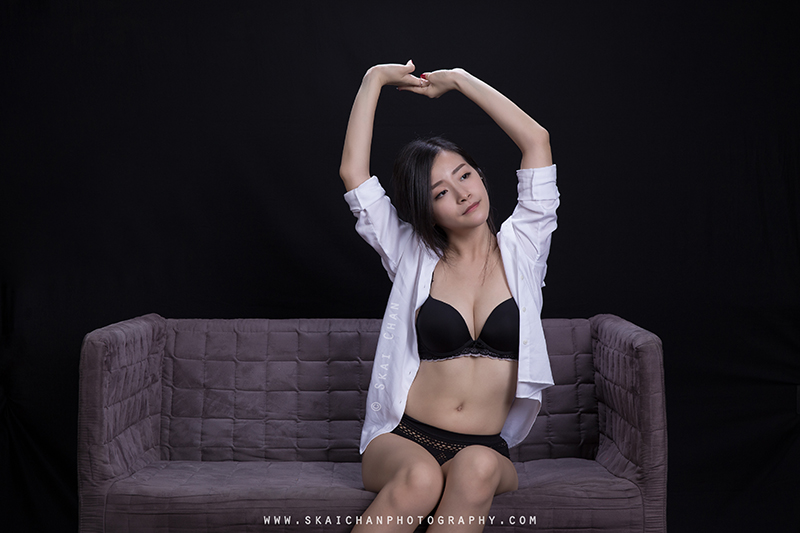
Some clients want to explore a more glamorous, sensual or intimate side of themselves while still wanting the photographs to look tasteful.
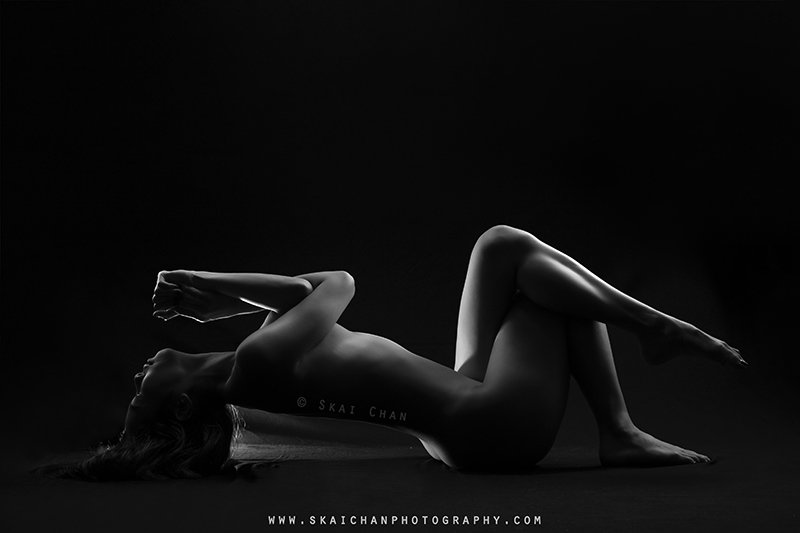
Sensual photography doesn't have to depend on showing as much skin as possible. Mood, expression, pose, clothing, shadows, composition and what is deliberately left unseen can sometimes create a stronger image than explicit exposure.
Whether we're creating glamour, boudoir or another sensual concept, my approach is to treat the photographs as portraiture and artwork rather than making them unnecessarily explicit.
It's important that we discuss your intended level of sensuality and exposure beforehand. Reference photographs are particularly useful because words such as "sexy", "sensual", "boudoir", "artistic" and "implied" can mean very different things to different people.
Your personal boundaries remain important throughout the session. You don't have to do something simply because it was originally discussed or because you've seen someone else doing it in a photograph.
Do You Want a Safe, Comfortable & Respectful Experience?
The experience of being photographed matters too.
Whether you're doing an ordinary outdoor portrait or a private sensual session, you should be treated with respect and feel comfortable communicating your boundaries.
I've used verbal instructions and self-demonstration to guide my subjects since the beginning of my photography journey. I don't need to physically position your body in order to guide a pose.
If you're uncomfortable with a pose or suggestion, tell me and we can skip it. This applies regardless of your gender or the type of photography we're doing.
You should also tell me about relevant physical limitations, injuries, sensitivities or other concerns that may affect the photoshoot. Knowing them allows me to avoid putting you into an uncomfortable situation unnecessarily.
Feeling comfortable isn't separate from getting good photographs. When you're less worried about what's happening around you, it's usually easier to concentrate on your expression, movement and interaction with the camera.
How Much Production Do You Actually Need?
Not every photoshoot requires the same amount of production.
A straightforward natural-light portrait can require much less equipment and setup than a night portrait involving off-camera lighting, or an elaborate concept involving multiple lights, styling, props and advanced retouching.
More production doesn't automatically mean better photography. It means having more resources available when the concept actually requires them.
This is why I try to understand what you want before deciding what is necessary.
Depending on your goals, we may need to consider:
Natural light or professional lighting
Simple or more elaborate locations
Hair and makeup
Multiple outfits
Props and styling
Longer shooting time
Basic editing or advanced retouching
Photography can become technically and logistically complicated, and clients may not always know which elements are actually necessary. That's perfectly normal.
I'll try to understand your requirements and explain any important constraints before accepting the shoot. If what you're requesting isn't realistic within the available time, location, equipment or budget, I'd rather discuss that beforehand than overpromise.
Likewise, having a larger budget doesn't mean I need to recommend every possible upgrade. If I don't think an additional service is necessary for what you're trying to achieve, I would rather tell you and let you decide whether it's worth paying for.
You can also read my guide to flash vs natural light photography to understand how lighting choices can affect the complexity and appearance of a photoshoot.
What If You Want Several of These?
You probably will.
These goals aren't separate photography packages or mutually exclusive styles.
For example, you might want:
professional photographs that still look natural;
flattering portraits that remain recognisably you;
creative photographs that also have personal meaning;
sensual photographs that remain artistic and classy;
casual photographs produced to a professional standard; or
something personalised without turning the shoot into an elaborate production.
That's why it helps to think in terms of priorities rather than trying to select one photography style.
If everything else had to be compromised, what would matter most to you?
For one person, it may be looking as flattering as possible. For another, it may be authenticity. Someone else may care most about creativity or capturing a meaningful memory.
Understanding those priorities helps me make better decisions when different considerations compete with one another.
How to Communicate Your Goals to Me
You don't need to know photography terminology or arrive with a complete creative brief.
Simply tell me as much as you can about what you're trying to achieve.
Useful things to share include:
Why you're doing the photoshoot:
Tell me whether it's for yourself, your career, dating, a relationship, a milestone, your fitness journey, a gift or another reason.
How you want the photographs to feel:
For example, natural, professional, confident, elegant, romantic, playful, dramatic, sensual or creative.
What you like:
Send reference photographs that attract you. You don't need to explain them perfectly; I can ask what aspects of the images you like.
What you don't like:
This can be equally useful. If there's a style, pose, type of editing or treatment you strongly dislike, let me know.
Your concerns:
If you're nervous about posing, conscious about a particular feature or worried about something else, tell me instead of keeping it to yourself.
Your boundaries:
Let me know if there are poses, situations or levels of exposure you're uncomfortable with.
Your priorities:
If there are several things you want but one is particularly important, tell me which matters most.
The more I understand you, the easier it is for me to suggest a suitable approach instead of making assumptions about what you want.
Once you have a clearer idea of your goals, you can continue with my portrait photoshoot preparation guide for detailed advice on locations, outfits, makeup, grooming, weather and preparing for the actual session.
Conclusion
There's no single definition of a successful photoshoot because different clients want different things from their photographs.
You may want to look your best. You may want something professional for a practical purpose, something natural that feels like you, something creative that stands out, or something deeply personal that represents an important part of your life.
You may want several of these things at the same time.
The important part is understanding your priorities before we start making decisions about the shoot. Once I know what matters to you, I can better advise you on the concept, location, outfits, lighting, level of production and photography approach.
You don't need to have everything figured out before contacting me. Part of my job is to ask questions, understand what you're trying to achieve and help turn those ideas into a practical photoshoot.
♥
Enjoyed This Article?
I've been sharing photography tips and experiences since 2012. If this article helped you, here are a few ways to show your appreciation.

 Scan QR to visit this website